
I believe in a comprehensive approach to well-being that nurtures the mind, body, and spirit. As a holistic counselor, my mission is to guide you on a journey of self-discovery, healing, and personal growth.
Holistic counseling goes beyond traditional therapy by recognizing the interconnectedness of your emotional, physical, and spiritual health. Through personalized sessions, I integrate various therapeutic techniques, including mindfulness, life coaching, and evidence-based practices, to address your unique needs and challenges.
Mindfulness is a practice that involves bringing one’s attention to the present moment, intentionally and non-judgmentally. It is a state of awareness in which you focus your attention on the present experience, including thoughts, feelings, bodily sensations, and the surrounding environment.
The practice of mindfulness originates from Buddhist traditions but has been adapted and studied in various secular contexts, such as psychology and wellness programs. Mindfulness meditation is a commonly used technique to cultivate mindfulness. It typically involves sitting quietly and directing your attention to your breath, bodily sensations, or a specific object of focus, while acknowledging and letting go of distracting thoughts or judgments that arise.

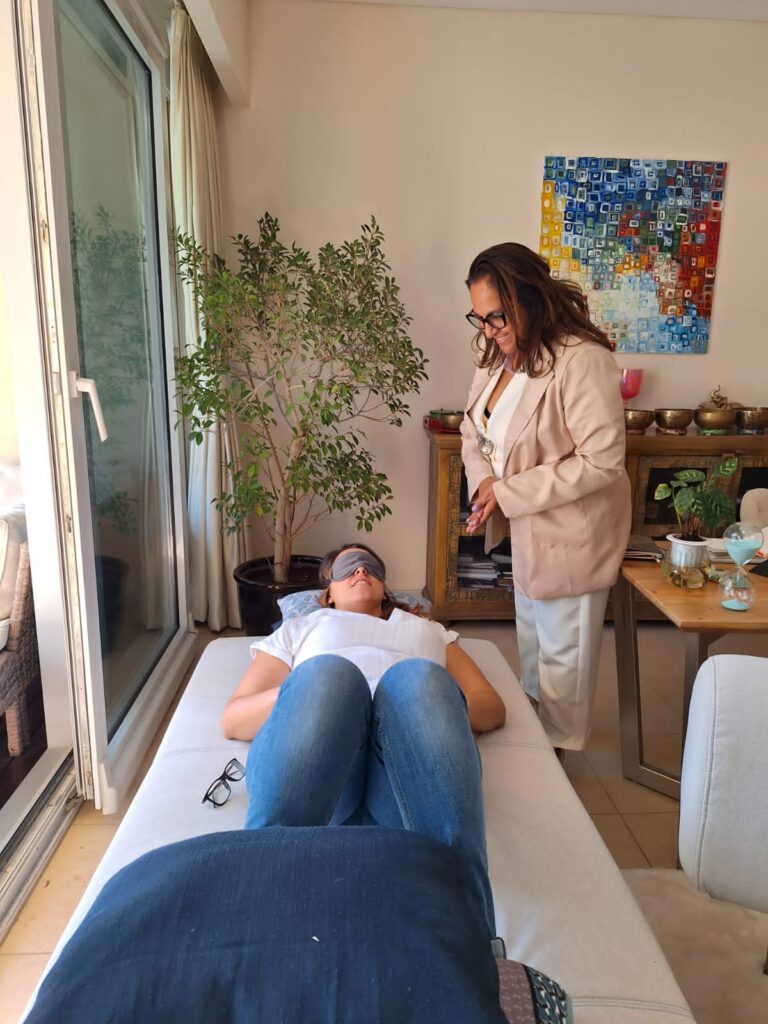
The benefits of mindfulness practice can extend to many areas of life. Research suggests that regular mindfulness practice can reduce stress, anxiety, and depression, enhance emotional well-being, improve attention and focus, increase self-awareness and empathy, and promote overall psychological resilience. It can also help individuals cultivate a greater sense of presence, appreciation, and acceptance in their daily experiences.
It’s important to note that mindfulness is not about emptying the mind or achieving a specific state of relaxation. Instead, it involves developing a non-reactive and non-judgmental awareness of whatever arises in the present moment. With practice, mindfulness can become a way of being that can be applied to various activities, such as eating, walking, or engaging in conversations, allowing for a deeper and more meaningful engagement with life.
Mindfulness has gained significant recognition and integration into various therapeutic approaches due to its many potential benefits for mental health and well-being.
Mindfulness-based interventions, such as Mindfulness-Based Stress Reduction (MBSR) and Mindfulness-Based Cognitive Therapy (MBCT), have been developed specifically to help individuals manage stress and reduce its negative impact on their physical and mental health.
Mindfulness-based approaches have shown promise in reducing symptoms of anxiety and depression. By cultivating awareness of one’s thoughts and emotions without judgment, individuals can develop a different relationship with their internal experiences, which can lead to a reduction in distress.
Mindfulness practices can enhance emotional regulation skills by increasing one’s ability to observe and accept emotions without being overwhelmed by them. This can be particularly helpful for individuals who struggle with intense or difficult emotions.
Mindfulness-based interventions have been incorporated into addiction treatment programs to support individuals in developing greater self-awareness, managing cravings, and reducing relapse rates.
Mindfulness can be used in couples and family therapy to improve communication, deepen understanding, and promote empathy and compassion towards oneself and others.
Mindfulness-based techniques have been shown to be effective in reducing pain perception and improving quality of life for individuals with chronic pain conditions.
It’s important to note that mindfulness is often integrated into various therapeutic approaches rather than being used as a standalone treatment. Therapists may incorporate mindfulness techniques into cognitive-behavioral therapy (CBT), dialectical behavior therapy (DBT), acceptance and commitment therapy (ACT), and other evidence-based modalities to enhance their effectiveness and tailor treatment to individual needs.

Personalized coaching sessions tailored to your unique needs, focusing on goal setting, action planning, and accountability to help you reach your full potential.
Guidance and support to navigate career transitions, explore new opportunities, and develop strategies for professional growth.
Assistance in creating a harmonious integration of personal and professional life, setting boundaries, and achieving overall well-being.
My coaching approach combines evidence-based methodologies, such as cognitive-behavioral techniques and mindfulness practices, to foster self-discovery, promote mindset shifts, and empower you to take inspired action. I utilize powerful questioning, active listening, and customized exercises to support your personal growth journey.